Why seasons matter for sewer concerns
New York winters bring freezing pipes and heavy rain can overwhelm city lines. In spring and fall, shifts in moisture and temperature expose weaknesses in the drainage paths around homes. A little planning goes a long way when you want to minimize the risk of backups and lingering moisture. The goal is steady, predictable conditions, not dramatic fixes after a flood.
Seasonal checks give you time to address issues before they become emergencies. A straightforward routine helps you stay ahead of problems and keeps the home comfortable during city life.
Seasonal checklist you can use
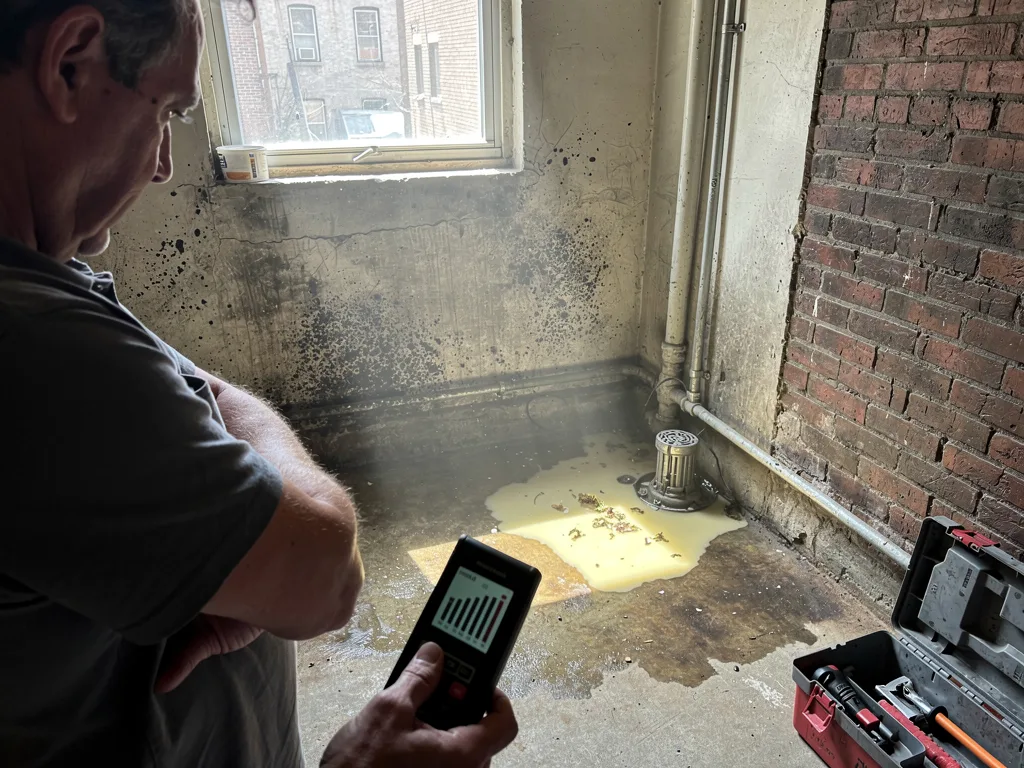
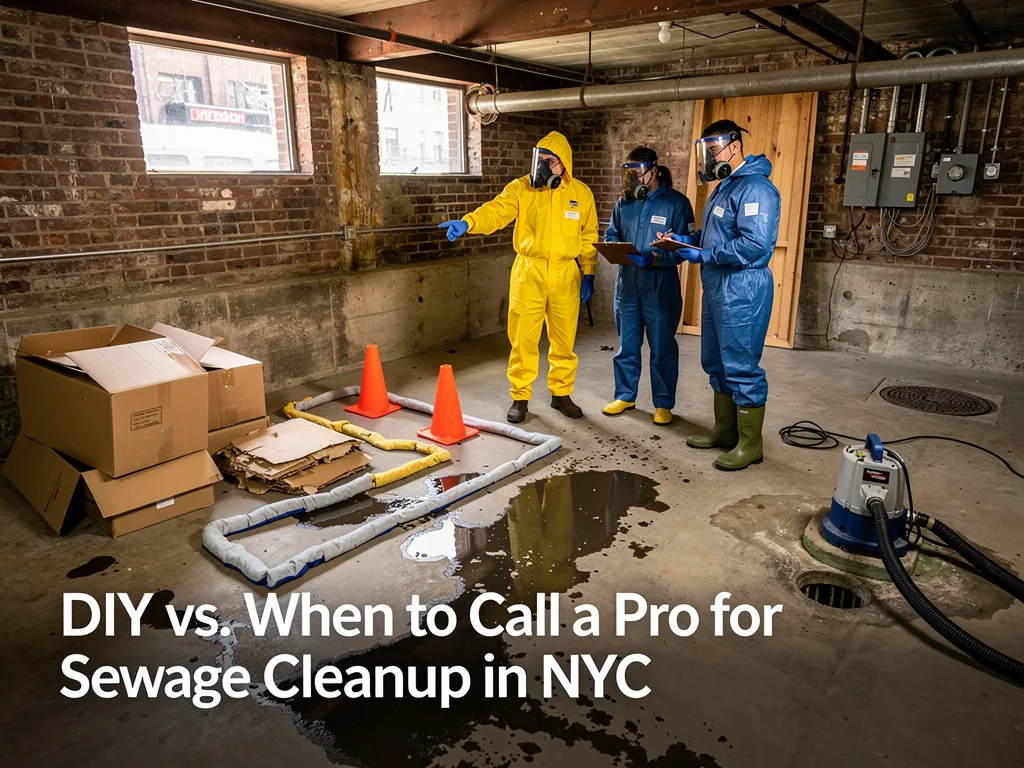
Here’s a practical list for New York homes: inspect exterior openings near the foundation for cracks or gaps, ensure downspouts direct water away from the building, and check the basement or lowest level for any dampness after heavy rain. Keep a close eye on any slow drainage in sinks and toilets, especially after storms. If you see staining, musty smells, or repeated damp patches, call a restoration specialist for a quick evaluation.
- Monitor moisture in the basement after heavy rain
- Clean gutters and downspouts so water moves away from the foundation
- Test sump pump functionality before heavy seasons
- Keep a simple log of odors, dampness, or backups
What our team does during a seasonal check
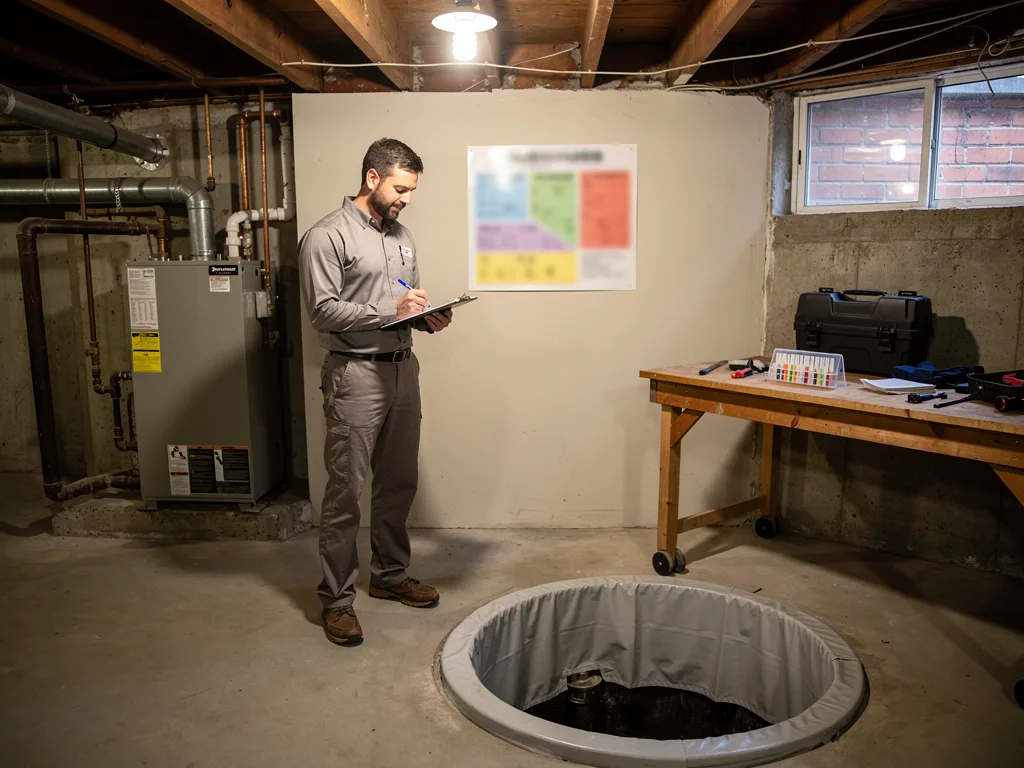
Our restoration specialists perform a focused walk-through, looking for early signs of moisture migration and areas where water enters the space. We check ventilation, seal openings, and confirm that drainage paths remain clear. If we find risks, we share a straightforward plan that fits your home’s layout and New York’s climate. You’ll know what to expect and when to act.
Seasonal readiness also means being prepared to respond quickly if a problem appears. We can help you set up a simple maintenance schedule and provide practical steps to minimize disruption. In New York, a steady, informed approach keeps homes drier and safer year round.